
One of the most prevalent issues faced by healthcare organizations is claim denials. Providers may experience delayed or denied reimbursement if they provide medically necessary services, but needed approvals were not requested in time for the services to be rendered. Many of these issues can be avoided by having a well-managed prior authorization process, where providers ensure there are payer requirements first before providing services.
Prior authorization is more than a paperwork hurdle for healthcare providers. It plays a crucial role in claim denial prevention, accurate billing, and sustainable revenue cycle management. A streamlined authorization process can decrease unnecessary denials, optimize the reimbursement process, and help organizations realize a more predictable revenue cycle.
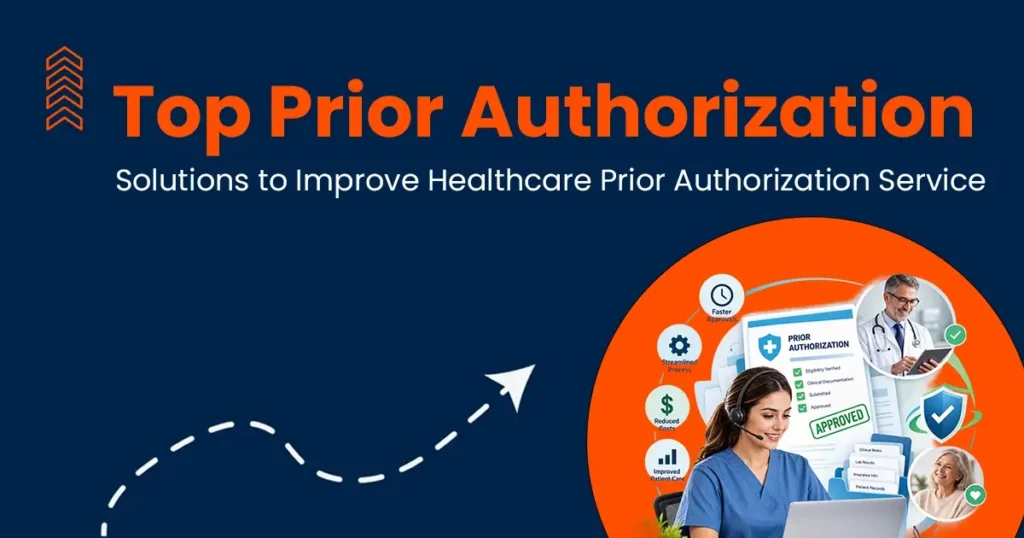
Prior authorization support at MDHelpTek ensures seamless payer communication, reduces authorization failures, and enhances claim performance.
What is Prior Authorization?
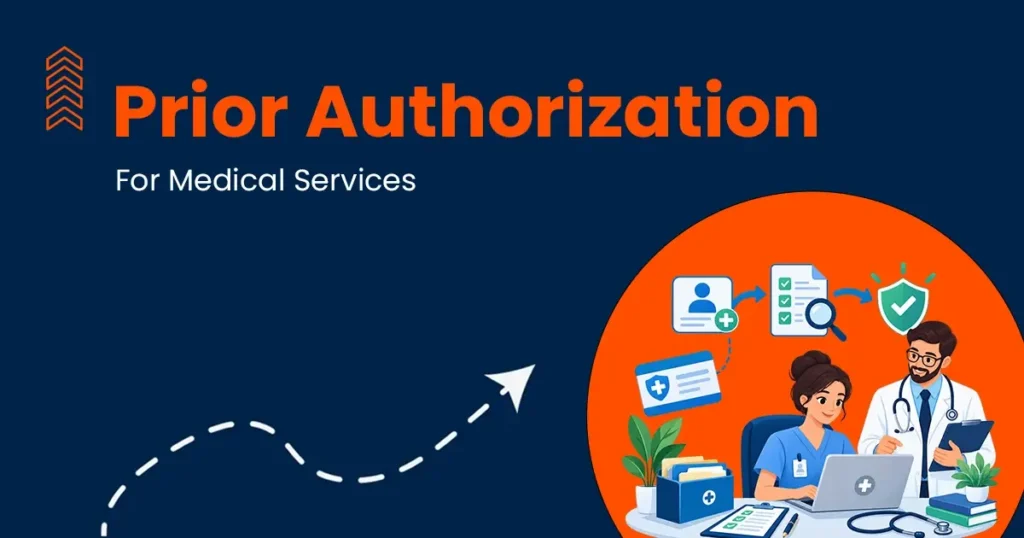
Prior Authorization is the process used by healthcare providers to request insurance payer approval for a specific treatment, procedure, diagnostic test, medication, or medical service.
Prior authorization helps insurance companies decide if a requested service is covered and whether the service is medically necessary.
The process usually includes:
- Ensuring that the patient’s insurance coverage is in place and that the benefits are maximized
- Determining whether authorization is needed or not
- Gathering clinical documentation
- The process of initiating an authorization request to identify payer requirements.
- Answering further requests for paperwork
- Tracking the authorization status
- Authorization Numbers and approved Services recorded
- Ensuring that approval is given before treatment.
If these steps are properly performed, the provider will be more likely to submit a clean claim and receive healthcare reimbursement.
Why Missing Prior Authorization Leads to Claim Denials
- Authorization-related denials frequently occur when administrative requirements are missed before a patient receives care.
- For instance, a claim might be denied because authorization was requested, but never approved. Authorization may also be denied because it is for another procedure, date of service, provider, facility, or number of visits.
- Other issues may arise if the authorization data is incorrectly entered in the billing system.
- A standardized insurance prior authorization program can identify these issues in advance of the claim being made to the insurance.
- Healthcare organizations can determine what payer needs are and meet them before the treatment happens.
- One of the best strategies for minimizing eligibility and authorization claim denials is to take a proactive approach.
How the Pre-Authorization Process Helps Reduce Claim Denials
A strict pre-authorization process to minimize claims denials starts before the service is delivered to the patient.
- The first thing to determine is what type of insurance the patient has at present. Staff should confirm the identity of the payer and the plan, and eligibility and benefits requirements for the service to be scheduled.
- After requirements for authorization are determined, the provider is required to provide correct clinical and administrative data.
- Payers may request medical records, diagnosis information, physician notes, treatment history, or supporting documentation showing medical necessity.
- When providing complete information, it helps to avoid unnecessary delays and minimize the risk of rejection of authorizations.
- Once approved, the information about the authorization should be thoroughly compared with the intended service.
- The number of visits, the provider, and the facility should be consistent with actual care provided, and the date range and procedure should be approved.
- Authorization and billing are intrinsically linked and must be supported for successful claims management.
Prior Authorization Best Practices for Denial Prevention
By establishing uniform Prior Authorization best practices, the performance of authorization can be enhanced for healthcare organizations.
Verify Coverage Early
Insurance information should be called out at the time of the appointment or procedure. Often, there’s not enough time left when you are on the day of the service to fix all authorization issues.
Staff can verify early what the payer needs and begin the insurance authorization process prior to providing care.
Confirm Authorization Requirements for Every Service
Authorization policies are not necessarily consistent across payers, plans, procedures, and locations.
Don’t assume, based on experience, whether a service requires or does not require authorization. To avoid unnecessary errors, it is important to review the patient’s insurance needs.
Submit Complete Documentation
Payer authorizations may be delayed because of a lack of documentation.
When necessary, clinical notes, diagnostic information, history of treatment, and other supportive documentation should be provided. Capturing the medical necessity of the services rendered clearly indicates the services’ purpose and quickens the process of getting paid.
Track Pending Authorizations
The authorization process is just the beginning!
Healthcare organizations require a dependable solution to keep track of outstanding requests, payer feedback, requests for extra documentation, expiration dates, as well as approval statuses.
A single prior authorization workflow helps more easily flag follow-up cases.
Validate Authorization Before Treatment
Before a planned service, staff should check that authorization has been agreed and that this authorization is the same as what is being planned.
This last review is one of the most beneficial denial prevention measures as it allows the organization the chance to fix discrepancies before they result in denied claims.
Prior Authorization and Revenue Cycle Management
Authorization issues directly affect revenue cycle management because they can delay reimbursement or, in some cases, prevent payment altogether.
When a claim is denied, billing teams must spend additional time understanding the reason for the denial, contacting payers, correcting information, preparing an appeal, or resubmitting the claim. These activities involve significant administrative work and can slow down the payment process.
A proactive authorization process shifts the focus from denial resolution to denial prevention. By verifying payer requirements before services are provided, healthcare organizations can improve clean claim performance and maintain more predictable cash flow.
Effective authorization management also helps align the front office with the billing department. The following processes should work together as part of one connected revenue cycle workflow:
- Scheduling
- Eligibility verification
- Clinical documentation
- Authorization
- Coding
- Billing
- Claims follow-up
When these steps are properly connected, they work like pieces of a puzzle, helping reduce authorization-related denials and support a smoother reimbursement process.
How Prior Authorization Services Support Healthcare Providers
The role of Prior Authorization Services in Facilitating Healthcare Providers.
- Following internal authorization demands can be challenging, especially for companies doing business with several insurance providers.
- Each payer will have their own submission process, paperwork, portal, timeframe, and guidelines for approval.
- Healthcare organizations can better deal with these complexities through professional prior authorization services.
- An experienced authorization team can help with insurance verification, authorizations, follow-up with payers, and documentation monitoring for approval.
This support enables clinical and administrative staff to dedicate more attention to patient care and to continue to have better controls on authorizations.
Strengthen Claim Denial Prevention With MDHelpTek
Many denials can be prevented before the claim is submitted.
The ability to identify payer requirements, obtain authorizations before treatment, record authorization information, and confirm coverage through a reliable prior authorization process helps healthcare organizations.
Combining authorization management with claims management and the wider revenue cycle processes can help providers reduce the number of avoidable mistakes and increase the improve reimbursement efficiency.
MDHelpTek provides easy-to-use prior authorization and revenue cycle management solutions that boost administrative accuracy and claim denial prevention for healthcare organizations.
Healthcare providers that establish uniform workflows, follow up with payers, and implement successful denial prevention techniques can dedicate more time to providing quality patient care and less time resolving issues related to authorization.
A more robust insurance prior authorization system doesn’t just meet payer requirements; it also safeguards revenue, optimizes operations, and ensures a more predictable and stable revenue flow.