
Nothing hits your revenue cycle as quietly as a rising list of claim denials. Unfortunately, claim denials are raising complications in the healthcare sector. From huge hospitals to small medical outlets, healthcare providers face rejected or denied claims on a routine basis. These denials are the bottleneck, impacting revenue generation and other operations. Experts reveal that almost 85% of claim denials are avoidable. The foremost thing is to understand why claims get denied, taking a step forward to streamline the reimbursement process and operational efficiency. This guide provides perfect insights into the fundamental reasons behind claim denials and how to fix them effectively with actionable solutions. Let’s break down the details.
What is the Claim Rejection and Denial?
Before you further proceed, grasp the key differences between a rejection and a denial to categorise them correctly.
- Rejections are normally the outcomes of minor errors, such as inadequate or incorrect information.
- Rejections can usually be corrected easily and quickly. There are more chances to get early approvals.
- Denials are more intricate as they normally involve services not covered or incorrect medical coding.
- They may need a more comprehensive review and appeals process for proper correction.
The in-depth assessment of denials helps healthcare providers resolve the underlying causes and prevent future barriers. Now, let’s take a first step to know the key reasons behind the denials and explore the solutions to resolve them.
What are the Key Reasons for Claim Denials and Solutions?
Claim denials don’t appear all of a sudden, but they are the result of some reasons that need proper understanding before fixing them to reduce denials. Let’s uncover them one by one.
Incorrect and Incomplete Patient Information
Accuracy and detailed information sharing are mandatory for seamless approval of insurance claims. Missing or insufficient patient details, including diagnosis report, treatment, or procedure, can lead to denials. All details provided in the insurance claim should be sufficient and correct for approvals.
The best solution is to ensure the provider’s details, such as name, address, NPI, patient’s details, including name, address, insurance policy number and all the treatment codes with supporting documentation, are on record to avoid claim denial.
Lack of Prior Authorization
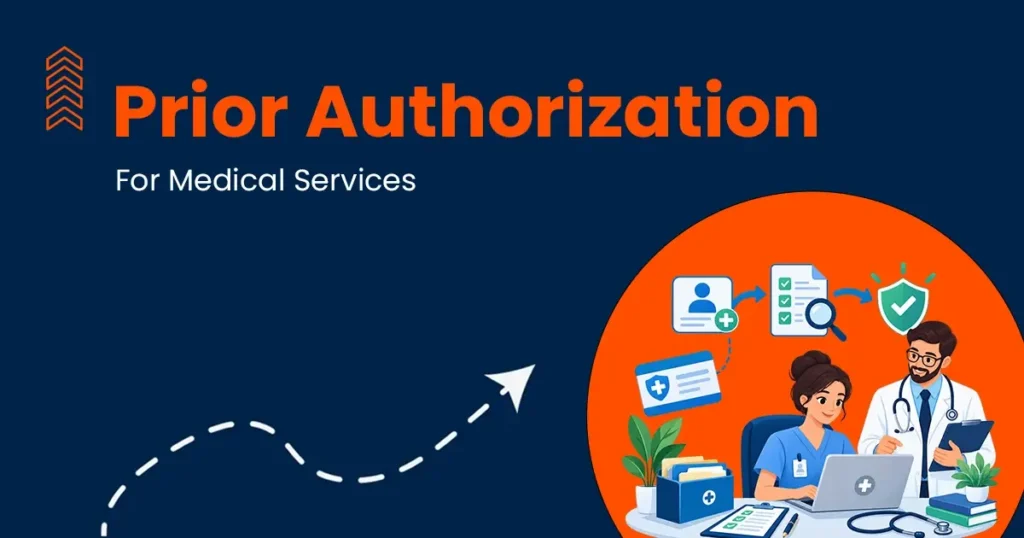
One of the leading claim denial reasons is the absence of authorization before medical coverage. Negligence from the provider’s side may lead to claim denial from the insurance company. Healthcare providers need to have certain insurance plans to smoothly acquire prior authorization for specific medical services and procedures. The purpose is to ensure authorization before coverage is approved.
The solution is to maintain proper authorization protocols and verify all the details of a payer before finally scheduling the procedure. Integrate the authorization process into the revenue cycle to ensure tracking and compliance with the payer policies.
Incomplete Supporting Documents
Insurance claims must be supported by accurate and complete clinical documentation. If the medical records, health progress, referral forms and treatment prescriptions are missing, the payer may face denials. Documentation flaws occur when healthcare staff and billing teams work in silos.
The best way to fix it requires the provision of all the necessary and additional medical documents. Another solution is to perform pre-bill documentation reviews, boost staff awareness about payer documentation requirements and provide all the specific and updated codes for the service.
Medical Coding Errors
Another potential reason for claim denial is incorrect coding. In most of the cases, providers mistakenly mention wrong or outdated service codes, which leads to denial or delay. Eventually, the payer and patient both suffer the consequences.
The use of correct codes for diagnosis and medical procedures can significantly reduce claim denials. Regular coder training sessions, updates about coding practices and double-checking of codes for better accuracy before claim submission to circumvent denials.
Services Not Covered and Out-of-Network Providers
Payers often face claim denials because of the insurance policy’s limited coverage, or simply because the provider is out of network. In most cases, cosmetic treatments or experimental procedures may be excluded from the coverage plan. Don’t fret. Sometimes, denials may occur even due to small gaps.
The solution includes confirmation of coverage details for specific medical services, provider’s verification for insurance networks and pre-authorization confirmation to ensure coverage under the plan.
Duplicate or Late Claims
Another reason is claim duplication, where the healthcare provider submits the same medical claim more than once. This often leads to insurance denials. Service bundling also causes denials, especially when multiple medical services are submitted under one claim. Mishandling can lead to errors. Even the delayed submission of claims can also result in denial.
The solution is to check the claim status before submitting the new one. Properly group the services according to the payer’s policies and review the documents clearly beforehand to prevent duplicate submissions. Another way to prevent the situation is to regularly audit claims for flawless approvals.
How MDHelpTek Transforms Claim Denials into Seamless Reimbursement?
MDHelpTek is an advanced platform for flawless workflows, medical coding and billing according to the payer’s guidelines. This strategic processing allows providers to improve reimbursement performance and develop a more functional claims process overall. During the denial management healthcare process, providers can significantly cut down the administrative costs and reduce claim denials without leaving gaps behind. For professional insurance claim management, MDHelpTek is the best choice to hand over your claim tasks.